Choosing a floor is about more than color. In Texas, the floor you pick has to cope with heat, humidity swings, concrete slab foundations, and soil that moves with the seasons. The good news is that there are plenty of options, and most homes can use more than one. We work with all kinds of materials and flooring options, so this guide is about helping you match the material to the room and the house, not pushing a single product.
Ready to talk about your project? Estimates are free.
Start with the house, not the showroom
Many North Texas homes are built on concrete slabs, and much of the region sits on expansive clay soil that swells when wet and shrinks when dry. Slabs can move a little over time, and moisture can travel up through concrete. That makes subfloor condition, moisture, and flatness more important here than in many parts of the country. A beautiful floor installed over an uneven or damp surface will not look beautiful for long.
Porcelain and ceramic tile
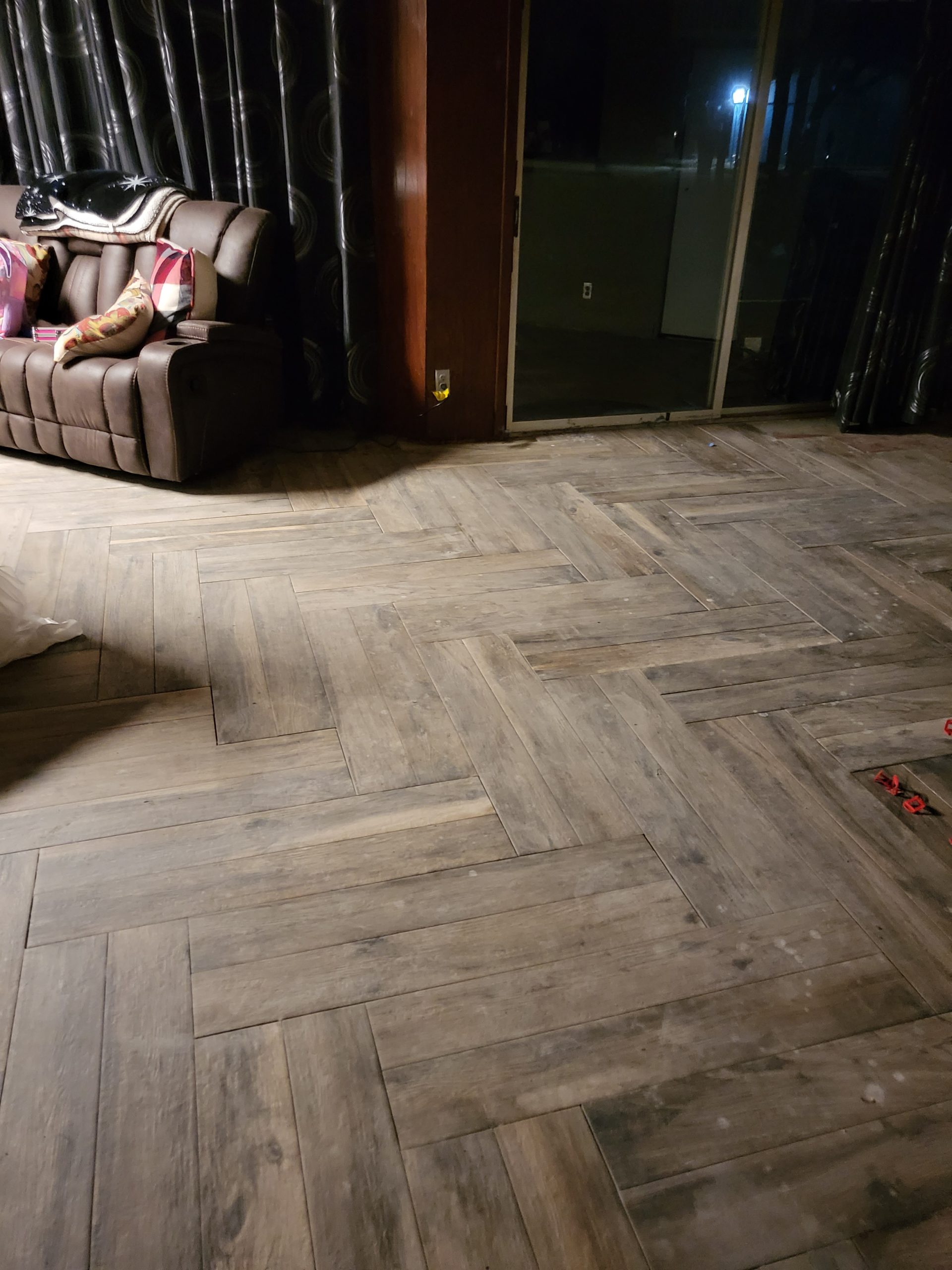
Tile is a favorite in Texas for good reason. It handles heat, spills, and pets, and it stays cool underfoot in summer. Porcelain is dense and very durable; ceramic is a bit softer and works well on walls and lighter-duty floors. Modern wood-look tile gives you the appearance of plank flooring with the toughness of tile. The tradeoffs are that tile is hard and cold in winter, grout needs sealing and cleaning, and a slab that shifts can crack tile if the installation is not done well. Preparation, including leveling and sometimes a crack-isolation membrane, makes a big difference.
Luxury vinyl plank and tile
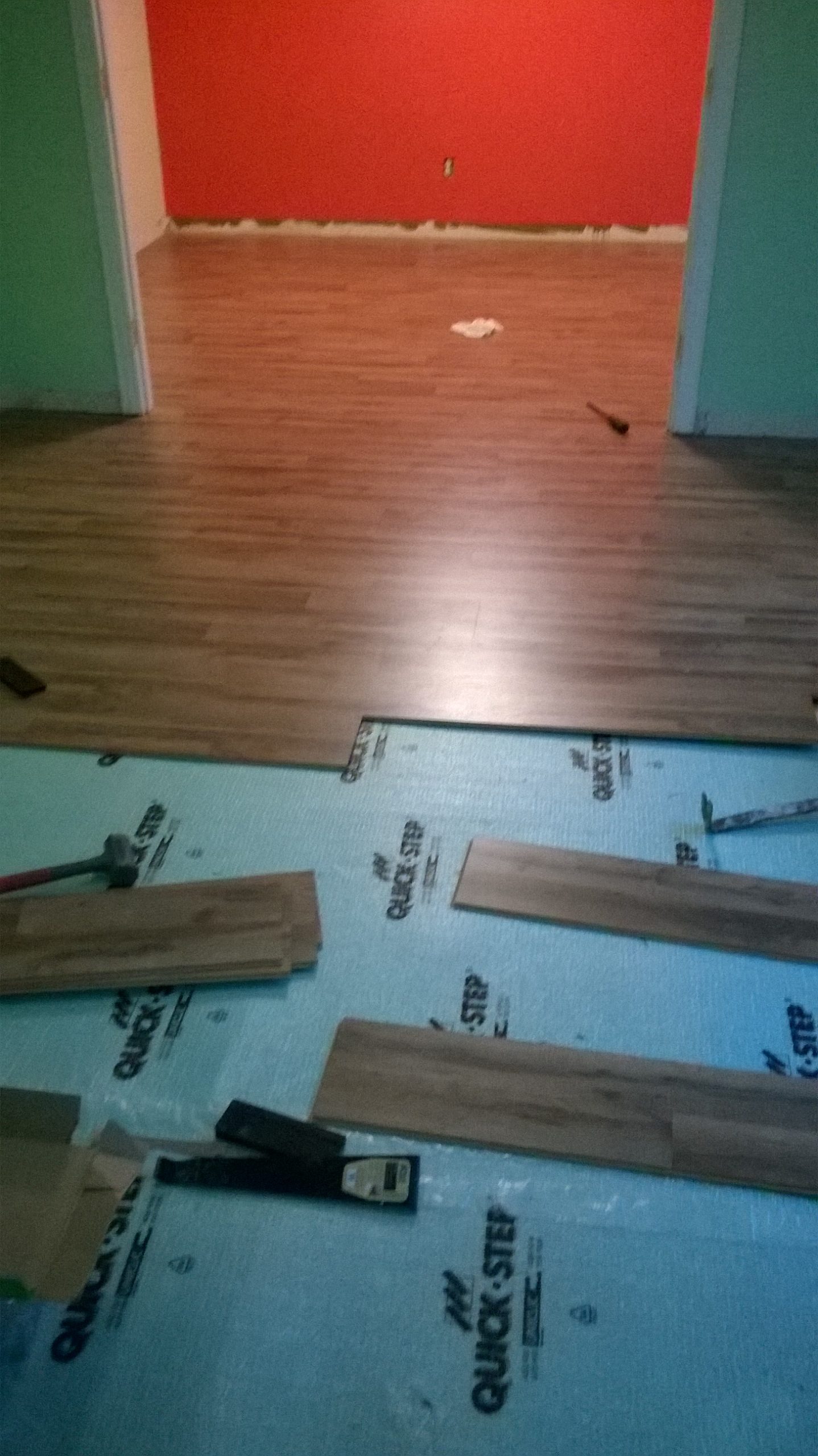
Luxury vinyl plank, often called LVP, has become one of the most popular choices in the metroplex. It resists water, handles active households, and comes in realistic wood and stone looks. It is installed as a floating floor or glued down, and it is a strong choice for kitchens, baths, and laundry rooms. Because it follows the surface beneath it, the subfloor needs to be flat, otherwise imperfections can telegraph through. Product quality varies widely, so ask what is under the surface layer and what the manufacturer says about temperature changes.
Laminate
Laminate is a layered floor with a photographic surface. It is generally a budget-friendly option, goes in quickly, and offers a convincing wood appearance. Most laminates dislike standing water, though some newer products tolerate more moisture than older ones. It works well in bedrooms, living rooms, and hallways, and a quality underlayment adds comfort and helps with moisture.
Engineered hardwood
Engineered hardwood has a real wood top layer over a stable, layered core. That structure handles changes in humidity better than solid planks, which is why it is often recommended over slabs. Thicker wear layers can be refinished, giving the floor a longer life. It is not as waterproof as tile or vinyl, so it is a better fit for living areas than bathrooms.
Solid hardwood
Nothing quite matches solid hardwood for warmth and longevity, and it can be sanded and refinished multiple times. It also moves with humidity, and it is generally installed over a wood subfloor rather than directly on concrete. In a house with a slab, solid hardwood usually requires a plan for how it will be installed. Ask about acclimating the boards to your home before installation.
Carpet
Carpet remains a good choice for bedrooms and media rooms where comfort and sound absorption matter. Fiber type, pile, and padding all affect how it wears. In North Texas, where many people deal with allergies and dust, ask about maintenance and consider using carpet only in areas where it makes sense.
Natural stone and concrete
Natural stone tile, polished concrete, and stained concrete suit people who want a distinctive, durable surface. Stone varies a great deal in hardness and porosity, so some types need regular sealing. Concrete can be a good option when the slab is in good shape, but cracks and imperfections will show, so inspect first.
What affects the cost of a flooring project
Because every home is different, we do not list prices. The main factors are:
- The material you choose and its quality.
- The square footage and the shape of the rooms, since many corners and angles mean more cuts.
- Removal and disposal of the old flooring.
- The condition of the subfloor, including leveling, patching, and moisture treatment.
- Pattern, such as herringbone or diagonal layouts, versus straight lay.
- Transitions, trim, baseboards, and stairs.
- Moving furniture and working around occupied rooms.
Match the floor to the room
A simple way to decide: choose water-resistant materials such as tile or LVP for kitchens, baths, and entries; choose comfortable materials for bedrooms; and think about continuity in open floor plans so the home flows. Using one material through connected spaces often makes a house feel larger. Our flooring installation service covers tile, hardwood, laminate, and more. For related reading, see our guides to the kitchen remodel and bathroom remodel cost factors.
We install flooring across the metroplex. Take a look at our pages for Fort Worth, Arlington, Keller, and Benbrook, or visit Areas We Serve. To discuss your project, call 817-408-5624 or request a free quote.
Frequently asked questions
What is the best flooring for a house on a slab in Texas?
There is no single best option. Tile, LVP, laminate, and engineered hardwood are all common over slabs, provided the slab is flat, dry, and prepared properly. The right choice depends on the room and your priorities.
Is wood-look tile better than hardwood?
It depends on what you value. Wood-look tile is more resistant to water and scratches, while hardwood offers real wood warmth and can be refinished. Many homeowners use tile in wet areas and wood elsewhere.
Can new flooring go over old flooring?
Sometimes. Certain floating floors can be installed over a sound, flat existing surface, but many projects require removal first. An on-site look is the only reliable way to tell.
How does the subfloor affect the result?
Greatly. Uneven, damp, or damaged subfloors lead to gaps, cracks, squeaks, and early wear. Preparing the surface is a core part of a good installation.
Do you pull permits for flooring?
Flooring is generally treated as cosmetic by both Fort Worth and Arlington, but structural or subfloor repairs may be different. We pull city permits when a project needs them, and our permit guide explains more.
Related guides
- What Affects the Cost of a Kitchen Remodel in Fort Worth
- Bathroom Remodel Cost Factors in DFW
- Do I Need a Permit for a Remodel in Fort Worth or Arlington?
- How to Choose a Remodeling Contractor in DFW
- Roof Repair vs. Replacement in North Texas
Ready to get started? Tell us about your project and get a free estimate.