One of the first questions homeowners ask is whether a project needs a city permit. In general, cities want to review work that changes the structure of a house or its plumbing, electrical, and mechanical systems, and they leave cosmetic work alone. Where the line falls is different in every city, and it can change. This guide summarizes what the City of Fort Worth and the City of Arlington publish for homeowners, with links to the official pages so you can read the details yourself.
Ready to talk about your project? Estimates are free.
Please note: we are a remodeling company, not a city office, and this is general information, not legal advice. The summary reflects the city web pages we reviewed in November 2026. Permit rules, forms, and fees change, so always confirm with the city before you start. When you hire us, we pull city permits when a project needs them.
The general idea
In both cities, work that alters walls, floors, ceilings, windows, doors, or the electrical, plumbing, or mechanical systems usually needs a permit. Cosmetic work such as painting, flooring, cabinets, and countertops usually does not. The permit process exists so a city inspector can check that the work is safe and meets code.
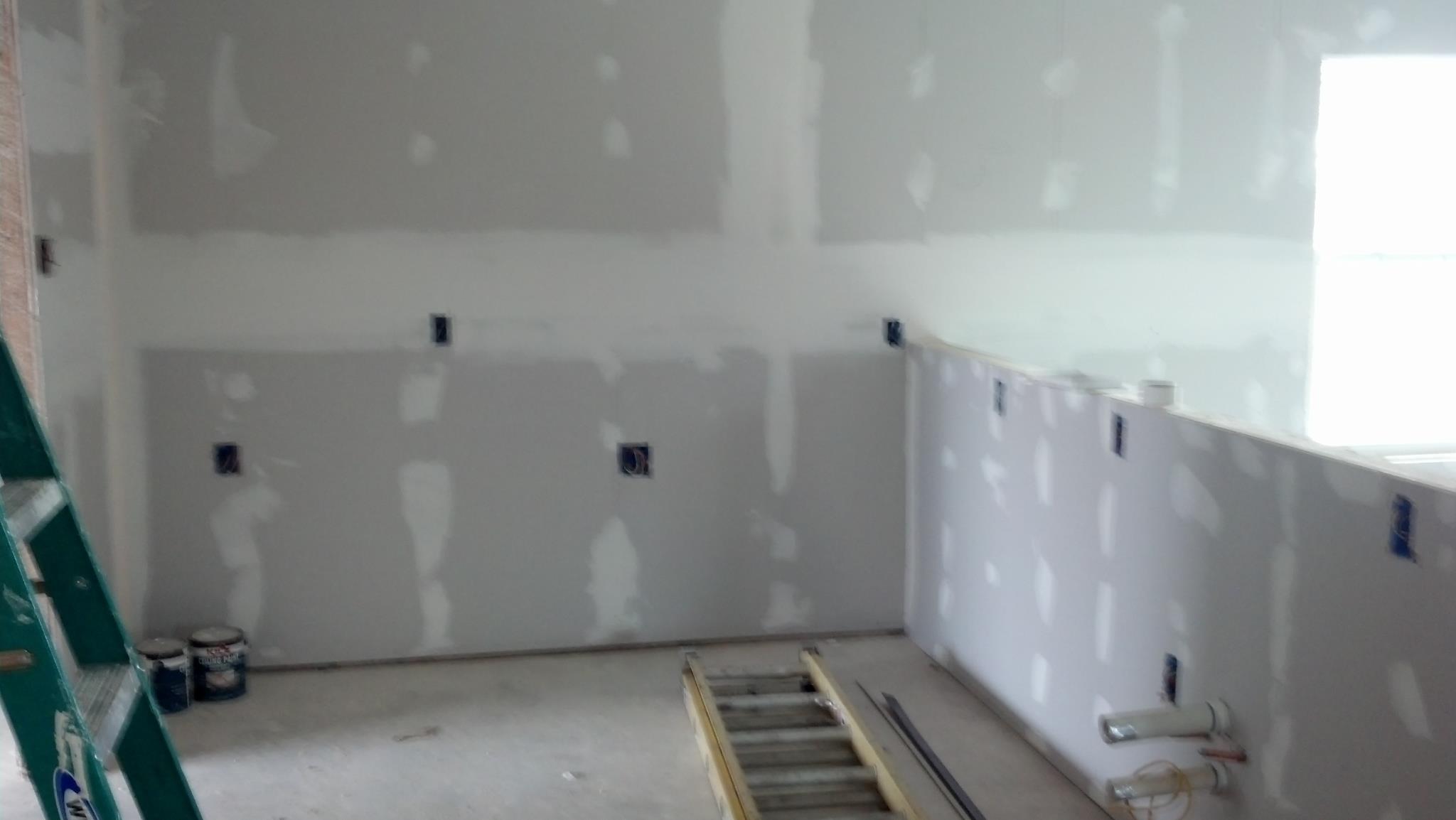
Fort Worth: what the City says
The City of Fort Worth’s residential permitting page says permits are required for new construction and for work that changes, moves, or repairs walls, floors, ceilings, windows, doors, electrical, mechanical, or plumbing. It says permits are not required for cosmetic remodels such as floor or wall coverings, cabinets, and countertops, or for replacing plumbing fixtures.
A few specifics from that page:
- Interior remodels: changing, moving, or repairing walls or floors, and replacing drywall that totals 16 square feet or more in any wall or ceiling, requires a building permit.
- Doors and windows: replacing or adding exterior doors or windows requires a building permit.
- Plumbing: changing, installing, moving, or repairing plumbing, including water heaters and shower pans, requires a plumbing permit.
- Electrical and mechanical: changing, moving, or repairing electrical equipment, or heating and air equipment and ductwork, requires the matching permit.
- Roofing: replacing decking or sheathing requires a building permit, while shingle work does not, although there is a limit on shingle layers.
- Siding, decks, fences, and foundations: the page lists separate rules for each, such as permits for foundation repair and for decks more than 6 inches above grade.
The City also publishes a residential building permit page listing what to submit for remodels, a residential remodel checklist and packet, and a guide to residential permit types. The residential permitting page also notes that permit applicants must be a registered building contractor or qualify for a homestead permit, which applies to owner-occupied primary residences.
Arlington: what the City says
The City of Arlington’s guide, Do I Need A Permit? A DIY Guide, says cosmetic work such as repairing or replacing flooring, wallpaper, and paint does not need a permit. It says more common home changes such as kitchen and bath remodels, wall removals, garage conversions, and changes to the existing framework of the home do require a permit. Replacing windows and exterior doors needs a permit, with an exception for replacing one opaque door up to 24 square feet.
Arlington also publishes a technical bulletin, Work Exempt From Permitting, which lists items that do not need a building permit, including painting, tiling, carpeting, cabinets, and countertops, replacement of siding with materials of similar character, and replacement of roof covering when the area is a small portion of the roof. The bulletin also notes that being exempt from a permit does not allow work that breaks code.
Roofing, siding, and flooring
These three come up often. Based on the pages above, flooring is cosmetic in both cities. Siding replacement with similar materials may be exempt in Arlington, while Fort Worth lists a permit requirement for replacing missing or decayed siding. Roofing is nuanced: both cities make a distinction between replacing shingles and replacing decking, and the details differ. Read our roof repair versus replacement guide and ask the city about your specific roof.
Other cities in the metroplex
Keller, Southlake, Grapevine, Mansfield, and every other city in DFW has its own permit office and its own rules. If you live outside Fort Worth or Arlington, check with your city’s building or development services department. Our pages for Keller and Mansfield are good starting points for those areas.
Why permits matter
Permitted work is inspected. That protects you when you sell the house, makes insurance conversations easier, and helps make sure that wiring, plumbing, and framing were done properly. Skipping a required permit can lead to stop-work orders, fines, or having to open finished walls for inspection. If you are unsure, ask before you start.
How we handle permits
When a remodel requires a permit, we pull it as part of the project. Tell us about your plans at the estimate, and we will help you understand what is likely to be involved. See our service pages for kitchen remodeling, bathroom remodeling, and whole-home remodeling, or read about Fort Worth and Arlington. Our Areas We Serve page lists other cities. To start, request a free quote.
Frequently asked questions
Do I need a permit to replace flooring or paint?
Both cities say cosmetic work such as flooring, paint, and wallpaper does not need a permit. Confirm with your city, especially if the work involves anything structural.
Do I need a permit for a kitchen or bathroom remodel?
Often yes. Arlington says kitchen and bath remodels require a permit, and Fort Worth requires permits when walls, plumbing, or electrical change. Replacing cabinets and countertops alone is considered cosmetic.
Can a homeowner pull their own permit?
Fort Worth says applicants must be a registered building contractor or meet its homestead requirements for an owner-occupied primary residence. Arlington has its own process. Check each city’s page.
Do permit rules change?
Yes. Cities update their requirements and forms, so use the official pages linked above and confirm with the city before you start.
Who pulls the permit when I hire The Contractor INC?
We pull city permits when a project needs them. Request a free quote to talk through your project.
Related guides
- What Affects the Cost of a Kitchen Remodel in Fort Worth
- Bathroom Remodel Cost Factors in DFW
- Flooring Options for Texas Homes
- How to Choose a Remodeling Contractor in DFW
- Roof Repair vs. Replacement in North Texas
Ready to get started? Tell us about your project and get a free estimate.